
Global Breaking News - Monday, October 12, 2026








   |
[Headlines] (HL-의학/건강/운동) The Health Benefits of Seaweed
최고관리자 | 18-03-22 10:40
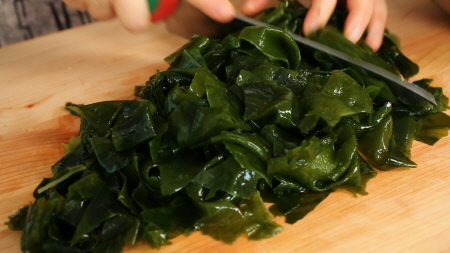
Besides being a non-meat source of protein, seaweed can provide other health benefits. Several nutrition websites say that women in South Korea often drink seaweed soup after giving birth. It is thought to help to return nutrients and minerals to new mothers. But this simple soup is good for anyone. The health and nutrition website Mark’s Daily Apple gives one recipe for this easy-to-make soup. Cook wakame seaweed, mushrooms, sesame oil, garlic and tamari seasoning in a pot of water over a low temperature. Nutritionists at University of California, Berkeley, say seaweed is a “rich source of several minerals, including calcium, magnesium, potassium, copper, and iron.” A report on the Berkeley Wellness website lists many reasons to eat seaweed. For example, seaweed, especially the brown type, is high in iodine. Iodine is a necessary element for good health. But it is not found in most foods. Iodine helps keep the body’s thyroid gland healthy, among other things. Iodine levels differ greatly among different kinds of seaweed. One source says that brown seaweed can contain five to 50 times the amount a body needs. The amount of iodine depends on the water in which the seaweed grows. If you are on a low-iodine diet, health experts suggest talking to your doctor before eating seaweed.
* source of ~ = ~의 근원/ health benefits = 건강상의 이익[이점]/ seaweed soup = 미역국/ give birth = (아이, 새끼를) 낳다[출산하다]/ be thought to ~ = ~하는 것으로 생각되어진다/ nutrient = 영양소, 영양분/ recipe = 조리[요리]법/ wakame = (갈색) 미역/ tamari = 일본 간장/ nutritionist = 영양사, 영양학자/ potassium = 칼륨, 포타슘/ iodine = 요오드, 옥소/ thyroid gland = 갑상선
Seaweeds are a good source of soluble fiber. This type of fiber helps you to feel full. It also helps to lower the amount of bad cholesterol. One kind of seaweed may help to limit the body’s absorption of fat. Researchers at Britain’s Newcastle University studied alginate, a seaweed used in food and cloth production. The scientists say they found that dietary fiber in alginate could reduce the amount of fat absorption by around 75 percent. Despite all these health benefits, some experts warn that the health benefits of seaweed are exaggerated. For example, seaweed may contain vitamins A and C, as well as calcium. But you would need to eat a lot of seaweed to get enough of any of those. In other words, seaweeds should not be your only source of vitamins and minerals. Nutritionists also warn that seaweed can block B12 vitamins. So, if you eat a lot of seaweed, they suggest taking a B12 supplement. And before you eat seaweed, know where it comes from. Seaweeds easily absorb and store whatever is in the water in which it grows. Possible dangers include arsenic, mercury and other heavy metals. So, seaweed can be a healthy vegetarian addition to your diet. Just get it from a clean water source. And understand its limits and benefits.
* soluble fiber = 수용성 섬유질/ feel full = 속이 든든하다, 포만감을 느끼다/ absorption = 흡수; 통합/ alginate = 알긴산염/ dietary fiber = 식이성 섬유/ exaggerate = 과장하다/ arsenic = 비소(砒素)/ mercury = 수은/ heavy metal = 중금속/ vegetarian = 채식주의자/ addition = 추가된 것, 부가물/ limits and benefits = 한계(점)와 이득(혜택)
|
|