
Global Breaking News - Monday, October 12, 2026





   |
[Speaking] (PS-030) 전 세계 모든 곳을 세 단어 주소로 정확히 표기하는 방법
최고관리자 | 18-03-04 07:38
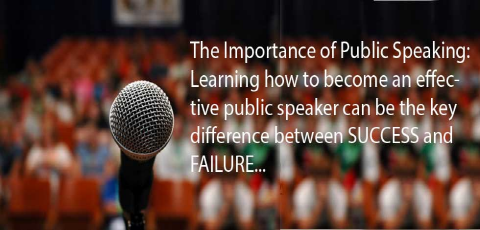
대중 연설은 아마도 단순한 언어의 기술적 구사가 아닌, 청중을 사로잡는 노력과 준비로
만들어진 언변(言辯)의 결과물이라 할 수 있을 것입니다. 명연설은 한 사람의 인생을 완전히
바꾸기도 하지요. 영어 공부에 있어서 가장 중요한 "듣고/이해"하는 능력을 꾸준히 배양하여
튼튼한 영어 실력을 기르길 바랍니다.
[Transcript]
00:13
UN에 따르면 수십억 명의 사람들이 주소도 없는 곳에 살고 있다고 합니다. 경제학자 에르난도 데 소토는 이런 말을 남겼죠. "주소가 없다는 것은 법의 테두리 밖에 사는 것이다. 결국, 당신은 존재하지 않는 것과 같다." 저와 저희 팀이 어떻게 이런 상황을 바꾸고 있는지 말씀드리려고 합니다.
According to the UN, billions of people still live without an address. The economist Hernando de Soto said, "Without an address, you live outside the law. You might as well not exist." I'm here to tell you how my team and I are trying to change that.
00:31
인터넷 지도에서 브라질의 빈민가를 찾아보거나 남아프리카의 마을 하나를 찾아보면 몇몇 길은 있지만 빈 공간이 많은 것을 볼 수 있습니다. 그런데 위성 지도로 바꿔보면 수천 명의 사람, 주택 그리고 상점들이 지도에도 없고, 주소도 없는 그 넓은 공간에 놓여 있습니다. 가나의 수도인 아크라에선 건물 벽에 숫자와 문자가 낙서처럼 쓰여져 있습니다. 주소 체계를 시범적으로 시행 중이지만 채 마무리 짓지 못했기 때문이죠. 하지만 이렇게 주소가 없는 지역도 엄청난 경제 잠재력을 가지고 있습니다.
If you go to an online map and look at a favela in Brazil or a township in South Africa, you'll see a few streets but a lot of empty space. But if you flip to satellite view, there are thousands of people, homes and businesses in this vast, unmapped and unaddressed spaces. In Ghana's capital, Accra, there are numbers and letters scrawled onto the sides of walls, where they piloted address systems but not finished them. But these places, these unaddressed places, hold huge economic potential.
01:07
제가 이렇게 주소 체계에 집착하는 이유가 있는데요. 저는 음악 사업에서 10년을 일해왔습니다. 음악 사업에 대해 잘 알려지지 않은 것이 있다면 매일 사람들이 주소 문제로 고생하고 있다는 점입니다. 그래서 공연장을 찾아야 하는 음악가부터 장비를 가져와야 하는 기획사까지 다들 항상 길을 잃어버리곤 하죠. 심지어 우리 공연 스케줄에 누군가를 포함시켜야 해서 언제까지 와달라고 연락까지 했지만 결국 나타나지 않은 적도 있습니다. 며칠을 엄청 고생한 적도 있죠. 예를 들어 이탈리아에서는 트럭 기사가 로마 북쪽으로 한 시간 거리에 장비를 내렸습니다. 남쪽으로 한 시간 걸리는 장소였는데 말이죠. 그래도 좀 나은 경우는 건반 연주자가 이런 말을 했을 때죠. "크리스, 당황하지 마. 그래도 모르는 사람 결혼식에서 음향 점검할 기회가 생겼잖아."
Here's why the issue of addressing stuck with me. I worked in the music business for 10 years, and what you may not know about the music world is that every day, people struggle with the problems of addressing. So from the musicians who have to find the gigs to the production companies who bring the equipment, everyone somehow always gets lost. We even had to add someone to our schedules who was the person you called when you thought you'd arrived but then realized you hadn't. And we had some pretty bad days, like in Italy, where a truck driver unloaded all the equipment an hour north of Rome, not an hour south of Rome, and a slightly worse day where a keyboard player called me and said, "Chris, don't panic, but we may have just sound-checked at the wrong people's wedding."
01:48 (웃음) (Laughter)
01:49
로마에서의 사건이 있고 얼마 뒤에 수학자인 제 친구와 이 일에 대해 얘기를 나누게 되었습니다. 이런 문제를 해결할 방법은 없을지 생각해봤죠. 새로운 체계를 만들어야 하지만 과거의 체계와는 달라야 한다고 생각했습니다. 지금의 주소 체계는 쓸모없다고 생각했죠. 뭔가 매우 정밀한 것이 필요했습니다. 그렇다고, 위도와 경도의 GPS 좌표는 너무 복잡하죠.
So not long after the fated Rome event, I chatted this through with a friend of mine who is a mathematician, and we thought it was a problem we could do something about. We thought, well, we could make a new system, but it shouldn't look like the old system. We agreed that addresses were bad. We knew we wanted something very precise, but GPS coordinates, latitude and longitude, were just too complicated.
02:13
그래서 우리는 세계 지도를 3x3m의 사각형으로 나눠 봤습니다. 전 세계가 3x3m 정사각형 57조 개로 나눠지더군요. 우리가 알게 된 사실은 3개의 단어를 조합하면 57조 개의 정사각형마다 이름을 붙이기에 충분하다는 것이었습니다. 단 3개의 단어만으로요. 40,000 개의 단어를 사용하면 40,000의 세제곱승이 되고 3개의 단어로 64조 개의 조합이 만들어지므로 57조 개의 정사각형에 이름을 붙이기에 충분한 양이됩니다. 약간의 여분까지 남죠. 그래서 실제로 그렇게 해봤습니다. 전 세계를 3x3m 영역으로 나누고 각 정사각형마다 세 단어로 된 고유의 이름을 붙였습니다. '세 단어 주소'라고 하죠. 예를 들어, 제가 서 있는 이 곳은 주소가 '머스터드.쿠폰.핀업' 입니다.
So we divided the world into three-meter squares. The world divides into around 57 trillion three-meter squares, and we found that there are enough combinations of three dictionary words that we could name every three-meter square in the world uniquely with just three words. We used 40,000 words, so that's 40,000 cubed, 64 trillion combinations of three words, which is more than enough for the 57-trillion-odd three-meter squares, with a few spare. So that's exactly what we did. We divided the world into three-meter squares, gave each one a unique, three-word identifier -- what we call a three-word address. So for example, right here, I'm standing at mustards.coupons.pinup,
02:58 (웃음) (Laughter)
03:00
그런데 이곳으로 이동하면 '핀치드.싱귤러리.튜토리얼' 위치가 되죠.
but over here ... I'm standing at pinched. singularly.tutorial.
03:09
하지만 우리는 이 일을 영어로만 진행하지 않았습니다. 우리는 모든 이들이 이 체계를 자국어로 사용할 수 있어야 한다고 생각합니다. 그래서 지금까지, 이 체계를 14개국 언어로 만들었습니다. 프랑스어, 스와힐리어, 아랍어로 만들어졌고 코사어, 줄루어, 힌디어로 만드는 일이 진행 중입니다.
But we haven't just done this in English. We thought it was essential that people should be able to use this system in their own language. So far, we've built it into 14 languages, including French, Swahili and Arabic, and we're working on more now, like Xhosa, Zulu and Hindi.
03:25
하지만 이런 아이디어는 우리 공연팀이 공연장에 제시간에 도착한다는 것 이상의 의미를 갖습니다. 신뢰할 수 있는 주소 시스템을 찾고 있는 나라의 75%가 세 단어 주소 체계를 사용한다면 더 중요한 응용 분야가 아주 많습니다. 남아프리카의 더반에서는 게이트웨이 헬스라는 NGO단체가 지역 단체에 세 단어 주소 11,000개를 배포하여 사용하고 있습니다. 그 결과, 산통을 겪는 산모가 긴급 구호를 요청할 때 어디로 와야 할지 정확히 알려줄 수 있게 되었습니다. 이 방법이 없었다면 환자를 찾는 데만 몇 시간을 허비했겠죠. 몽골의 국립 우체국은 이 시스템을 채택해서 많은 사람들에게 처음으로 우편 배달을 하고 있습니다. UN은 재난지역 사진의 위치 정보에 이 주소 체계를 이용함으로써 정확한 장소에 구호 물품을 보낼 수 있게 되었습니다. 심지어 도미노 피자는 카리브해 지역에서 이 주소 체계를 잘 활용하고 있습니다. 전에는 손님들의 집을 찾을 수 없었고 도미노는 따뜻한 피자를 배달할 방법을 필요로 했기 때문이죠.
But this idea can do a lot more than just get my musicians to their gigs on time. If the 75 percent of countries that struggle with reliable addressing started using three-word addresses, there's a stack of far more important applications. In Durban, South Africa, an NGO called Gateway Health have distributed 11,000 three-word address signs to their community, so the pregnant mothers, when they go into labor, can call the emergency services and tell them exactly where to pick them up from, because otherwise, the ambulances have often taken hours to find them. In Mongolia, the National Post Service have adopted the system and are now doing deliveries to many people's houses for the first time. The UN are using it to geotag photos in disaster zones so they can deliver aid to exactly the right place. Even Domino's Pizza are using it in the Caribbean, because they haven't been able to find customers' homes, but they really want to get their pizza to them while its still hot.
04:21
앞으로는 차에 타서 단어 세 개만 말하면 차가 여러분을 정확한 장소까지 데려다 줄 것입니다. 아프리카 대륙에서는 유선전화를 뛰어 넘어 모바일 시대로 접어들고 있습니다. 고전적인 은행 거래를 뛰어 넘어 모바일 결제로 바로 진화되었습니다. 자랑할만한 것은, 아프리카의 세 나라인 나이지리아, 지부티 그리고 코트디부아르의 우편 서비스에 세 단어 주소 체계가 채택되었다는 점입니다. 이 세 나라의 국민들은 실제로 아주 간단한 방법으로 주소를 표기하고 있습니다.
Shortly, you'll be able to get into a car, speak the three words, and the car will navigate you to that exact spot. In Africa, the continent has leapfrogged phone lines to go to mobile phones, bypassed traditional banks to go straight to mobile payments. We're really proud that the post services of three African countries -- Nigeria, Djibouti and Côte d'Ivoire, have gone straight to adopting three-word addresses, which means that people in those countries have a really simple way to explain where they live, today.
04:55
저에게 있어, 부실한 주소 체계는 짜증스러운 혼란을 불러올 뿐이지만 수십억의 사람들에게 있어서는 엄청난 비효율성의 문제입니다. 기반 시설의 발전을 심하게 방해하고 사람의 생명을 좌우하죠. 우리는 이런 현실을 바꾸고 있습니다. 세 단어만으로 말이죠.
For me, poor addressing was an annoying frustration, but for billions of people, it's a huge business inefficiency, severely hampers their infrastructure growth, and can cost lives. We're on a mission to change that, three words at a time.
05:11
감사합니다. Thank you.
05:12 (박수) (Applause)
|
|