[전문 + mp3] / [받아쓰기]
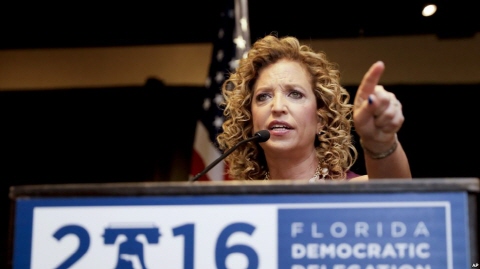
Recent attacks on American computer systems have raised concerns that electronic voting machines could be future targets. Emails from the Democratic National Committee (DNC) recently appeared on the WikiLeaks website. The emails showed that Democratic Party leaders failed to be neutral during the party’s presidential nomination process. They worked against Vermont Senator Bernie Sanders, who battled former Secretary of State Hillary Clinton for the nomination. She was officially nominated last month. The leaked emails led top DNC officials to resign. Democratic Party officials have pointed to possible Russian involvement in the attack.
* attack on ~ = 공격, 폭행/ raise concerns (that ~; over ~) = (~에 대한) 우려를 제기하다/ electronic voting machine = 전자 투표 기계/ the Democratic National Committee = 민주당 전국 위원회/ neutral = (언쟁・경쟁 등에서) 중립적인/ presidential nomination = 대통령 후보자 지명/ leaked = 누설된/ lead sb to ~ = (사람으로 하여금 어떤 행동・생각을) 하게 하다[유도하다]/ official = (고위) 공무원[관리], 임원/ resign = 사직[사임]하다, 물러나다/ point to ~ = (이유로) ~을 들먹이다; 가리키다; 암시하다
Richard Forno is a computer expert and director of the University of Maryland’s Center for Cybersecurity. He said the political response to the hacked DNC emails will lead to more attacks designed to influence the U.S. elections. “Interfering with the electoral and political process of countries is a classic tool of intelligence and foreign policy,” said Forno. He made the comment on the program “HashtagVOA.” The Brennan Center for Justice reported last year that 43 of the 50 American states will use voting machines thought to be 10 or more years old. It said these older machines are more at risk for “serious security and reliability” problems. But it is not like there haven’t been problems already.
* hacked = 해킹당한/ influence = (사람의 행동・사고에) 영향을 주다[미치다]/ interfere with ~ = ~을 방해하다[~에 지장을 주다]/ foreign policy = 외교 정책[방침]/ at risk = (~의) 위험이 있는[위험에 처한]