
Global Breaking News - Tuesday, September 29, 2026








   |
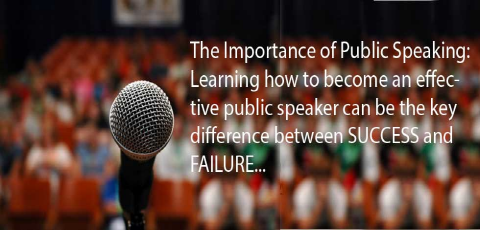
대중 연설은 아마도 단순한 언어의 기술적 구사가 아닌, 청중을 사로잡는 노력과 준비로
만들어진 언변(言辯)의 결과물이라 할 수 있을 것입니다. 명연설은 한 사람의 인생을 완전히
바꾸기도 하지요. 영어 공부에 있어서 가장 중요한 "듣고/이해"하는 능력을 꾸준히 배양하여
튼튼한 영어 실력을 기르길 바랍니다.
[TED 클릭]
[Transcript]
0:11
똑같은 꿈을 꾸곤 했어요. 사람들이 가득 찬 어떤 방에 제가 들어가고 누구와도 눈을 마주치지 않으려고 노력해요. 누군가가 저를 알아차리면 저는 당황합니다. 그 사람이 제게로 걸어와 말하죠. "안녕, 내 이름은 아무개야." "네 이름은 뭐니?" 저는 조용히 있어요. 대답할 수가 없죠. 어색한 침묵이 흐른 후 그는 다시 묻죠. "네 이름을 잊어버렸니?" 저는 계속 아무 말도 못 해요. 그러고 나서 천천히, 방 안의 모든 사람이 저를 쳐다보고 일제히 질문하기 시작해요.
I used to have this recurring dream where I'd walk into a roomful of people, and I'd try not to make eye contact with anyone. Until someone notices me, and I just panic. And the person walks up to me, and says, "Hi, my name is So-and-so. And what is your name?" And I'm just quiet, unable to respond. After some awkward silence, he goes, "Have you forgotten your name?" And I'm still quiet. And then, slowly, all the other people in the room begin to turn toward me and ask, almost in unison,
0:50
"네 이름을 잊어버렸니?" 그들의 목소리가 커질수록 대답하고 싶어지지만 그러지 않죠.
(Voice-over, several voices) "Have you forgotten your name?" As the chant gets louder, I want to respond, but I don't.
1:01
저는 시각 디자이너입니다. 익살스러운 작품도 만들고 [치명적 손상 - 자기 회의] 웃기면서도 슬픈 작품도 만들어요. [이 성조기 모양 핀을 착용하면 당신 애국심에 이의를 제기할 수 있다] 제가 정말 좋아하는 것 중 하나는 이런 작은 애니메이션을 만들어 다양한 캐릭터에 목소리를 입히는 거죠. 저는 곰도 해봤고요.
I'm a visual artist. Some of my work is humorous, and some is a bit funny but in a sad way. And one thing that I really enjoy doing is making these little animations where I get to do the voice-over for all kinds of characters. I've been a bear.
1:23
곰: "안녕" (Video) Bear (Safwat Saleem's voice): Hi.
1:25
(웃음) (Laughter)
1:27
고래도 해봤죠. Safwat Saleem: I've been a whale.
1:28
고래: "안녕" (Video) Whale (SS's voice): Hi.
1:30
(웃음) (Laughter)
1:31
축하카드 역도 해봤답니다. SS: I've been a greeting card.
1:33
축하카드: "안녕" (Video) Greeting card (SS's voice): Hi.
1:35
(웃음) (Laughter)
1:36
제가 가장 좋아하는 것은 프랑켄슈타인 괴물이에요. SS: And my personal favorite is Frankenstein's monster.
1:39
프랑켄슈타인 괴물: "으어~" [안녕] (웃음) (Video) Frankenstein's monster (SS's voice): (Grunts)
1:42
이것 때문에 꽤나 으르렁거려야 했죠. SS: I just had to grunt a lot for that one.
1:45
몇 년 전에 저는 비디오 게임의 역사에 관한 교육용 영상을 제작했어요. 그 영상에서 저는 우주 침략자 목소리를 연기했죠.
A few years ago, I made this educational video about the history of video games. And for that one, I got to do the voice of Space Invader.
1:54
우주 침략자: "안녕" (Video) Space Invader (SS's voice): Hi.
1:56
제 꿈을 이룬 셈이에요. (웃음) A dream come true, really,
1:59
영상이 인터넷에 올라갔을 때 컴퓨터 앞에 앉아 "새로 고침" 버튼을 연신 누르며 목 빠지게 댓글이 뜨길 기다렸는데 첫 번째 댓글이 올라왔어요.
(Laughter) And when that video was posted online, I just sat there on the computer, hitting "refresh," excited to see the response. The first comment comes in.
2:07
"훌륭해요." 좋았어! 또 새로 고침을 했죠.
(Video) Comment: Great job. SS: Yes! I hit "refresh."
2:11
"훌륭한 영상이에요. 다음 편을 기대할게요"
(Video) Comment: Excellent video. I look forward to the next one.
2:14
이 영상은 총 2편 중 1편이었어요. 이제 곧 2편을 제작하려던 참이었죠. 또 새로 고침을 했죠.
This was just the first of a two-part video. I was going to work on the second one next. I hit "refresh."
2:20
"두 번째는 어디 있죠? 지금 '당장' 보고 싶어요. (메롱)"
(Video) Comment: Where is part TWO? WHEREEEEE? I need it NOWWWWW!: P
2:24 (웃음) (Laughter)
2:26
우리 엄마가 아닌 다른 사람들이 제 칭찬을 해줬어요. 인터넷에서 말이죠! 드디어 올 것이 왔다고 생각했죠. 또 새로 고침을 했어요.
People other than my mom were saying nice things about me, on the Internet! It felt like I had finally arrived. I hit "refresh."
2:34
"목소리가 짜증 나요. 악의는 없어요."
(Video) Comment: His voice is annoying. No offense.
2:36
그래, 악의는 없다니까 괜찮아. "새로 고침"
OK, no offense taken. Refresh.
2:39
"땅콩버터를 뱉고 나서 다시 만들면 안 될까?"
(Video) Comment: Could you remake this without peanut butter in your mouth?
2:43
적어도 이건 건설적인 피드백이네. "새로 고침"
OK, at least the feedback is somewhat constructive. Hit "refresh."
2:47
"다시는 이 해설자를 쓰지 마세요. 말을 못 알아듣겠어요."
(Video) Comment: Please don't use this narrator again u can barely understand him.
2:51 "새로 고침" SS: Refresh.
2:52
"인도 억양 때문에 이해하기 힘들어"
(Video) Comment: Couldn't follow because of the Indian accent.
2:55
좋아요. 두 가지만 짚고 넘어가죠. 첫 번째, 저는 인도 억양이 없어요. 파키스탄 억양을 쓰거든요. 두 번째, 저는 분명 파키스탄식으로 발음해요.
OK, OK, OK, two things. Number one, I don't have an Indian accent, I have a Pakistani accent, OK? And number two, I clearly have a Pakistani accent.
3:04 (웃음) (Laughter)
3:07
하지만 그런 댓글이 계속 올라왔어요. 저는 그 사람들을 무시하고 그냥 2편 제작을 시작하기로 했죠. 제 목소리를 녹음했어요. 하지만 음성 편집을 하려고 할 때마다 잘 안 되더군요. 계속해서 어릴 적 생각이 났거든요. 그땐 말하는 데 어려움이 더 많았죠.
But comments like that kept coming in, so I figured I should just ignore them and start working on the second part of the video. I recorded my audio, but every time I sat down to edit, I just could not do it. Every single time, it would take me back to my childhood, when I had a much harder time speaking.
3:28
제가 기억하는 한 꽤 오랫동안 말을 더듬었어요. 저는 수업 시간에 질문이 있거나 문제의 답을 아는 경우에도 절대 손을 안 들었죠. 전화기가 울릴 때마다 전화를 받지 않으려고 화장실로 달려가기 일쑤였어요. 저한테 걸려온 전화일 땐 부모님께서 제가 집에 없다고 말씀하셨죠. 꽤 많은 시간을 화장실에서 보냈어요. 저는 자기 소개하는 걸 싫어했는데 여럿이 있는 데선 더 싫었죠. 제 이름을 항상 더듬거려서 한소리 듣는 경우가 많았거든요. "네 이름을 잊어버렸니?" 라고요. 그러면 모두가 웃었어요. 그런 농담이 질리지도 않나 봐요.
I've stuttered for as long as I can remember. I was the kid in class who would never raise his hand when he had a question -- or knew the answer. Every time the phone rang, I would run to the bathroom so I would not have to answer it. If it was for me, my parents would say I'm not around. I spent a lot of time in the bathroom. And I hated introducing myself, especially in groups. I'd always stutter on my name, and there was usually someone who'd go, "Have you forgotten your name?" And then everybody would laugh. That joke never got old.
4:05 [재수 없는 놈] (웃음) (Laughter)
4:08
어린 시절 내내 저는 제가 말을 하면 제게 무슨 문제가 있거나 정상이 아니라는 사실이 더욱더 분명해지는 것 같았어요. 그래서 주로 조용히 지냈죠. 사실, 제 목소리를 작품에 쓸 수 있게 된 건 저에겐 정말 커다란 발전이었죠. 녹음을 할 때마다 저는 더듬거리며 나름대로 최선을 다해 각 문장을 여러 번 읽은 다음 다시 되돌려서 그중 제일 쓸만한 것을 고르죠.
I spent my childhood feeling that if I spoke, it would become obvious that there was something wrong with me, that I was not normal. So I mostly stayed quiet. And so you see, eventually for me to even be able to use my voice in my work was a huge step for me. Every time I record audio, I fumble my way through saying each sentence many, many times, and then I go back in and pick the ones where I think I suck the least.
4:41
음성 편집은 포토샵으로 목소리를 편집하는 것과 같아요. 목소리를 느리거나 빠르게 중후하거나 울림 있게 만들 수 있거든요 제가 말하다 더듬거리면 (제가 말하다 더듬거리면) 되돌려서 고치면 돼요. 마법 같죠. 엄청나게 공들여 편집한 제 목소리를 작품에 쓰면
(Voice-over) Audio editing is like Photoshop for your voice. I can slow it down, speed it up, make it deeper, add an echo. And if I stutter along the way, and if I stutter along the way, I just go back in and fix it. It's magic.
4:58
제가 정상적으로 말한다는 느낌이 들었어요. 하지만 영상에 달린 댓글들을 읽은 후엔 더는 그렇게 느껴지지 않았죠. 그래서 제 목소리를 작품에 쓰는 일을 그만뒀습니다. 그 이후로 저는 정상이라는 것이 무슨 의미인가에 대해 많이 고민했어요. 그리고 "정상"이란 개념이 기대치와 관련이 깊다는 결론에 도달했어요.
Using my highly edited voice in my work was a way for me to finally sound normal to myself. But after the comments on the video, it no longer made me feel normal. And so I stopped using my voice in my work. Since then, I've thought a lot about what it means to be normal. And I've come to understand that "normal" has a lot to do with expectations.
5:24
예를 하나 들어볼게요. 저는 고대 그리스 작가인 호머에 관한 이야기를 듣게 됐어요. 호머는 그의 작품에서 단 몇 가지 색상만을 언급했는데요. 그럴 때조차도 색을 좀 이상하게 묘사했어요. 예를 들면, 바다색은 와인 빛 나는 빨강으로 사람들의 얼굴은 종종 초록색으로, 양은 보라색으로 묘사했거든요. 하지만 호머만 이랬던 것은 아니에요. 고대 중국, 아이슬란드, 그리스, 인도 심지어 히브리어 성서 원본에 이르는 고대 문학에는 언급되는 색상이 몇 개 없어요. 이런 현상을 가장 잘 뒷받침하는 건 사람들이 실제로 만들 수 있는 색상만 색상으로 인지하기 시작했다고 보는 설이죠. 그러니까 직접 만들 수 있는 색만 인지할 수 있단 뜻입니다. 빨간색처럼 많은 문화권에서 비교적 쉽게 재현할 수 있었던 색상은 일찍부터 인지가 됐죠. 하지만 파란색처럼 재현하기가 더 까다로웠던 색상은 많은 문화권에서 색상을 제조하는 방법을 한참 후에 배우게 돼 그 전에는 파란색을 볼 수가 없었죠. 그러니까 주변에 아무리 많은 색상이 존재해도 그 색상들을 볼 능력이 없었어요. 보이지 않는 색상이었어요. 정상적인 범주에 들어가는 색상들이 아니었으니까요.
Let me give you an example. I came across this story about the Ancient Greek writer, Homer. Now, Homer mentions very few colors in his writing. And even when he does, he seems to get them quite a bit wrong. For example, the sea is described as wine red, people's faces are sometimes green and sheep are purple. But it's not just Homer. If you look at all of the ancient literature -- Ancient Chinese, Icelandic, Greek, Indian and even the original Hebrew Bible -- they all mention very few colors. And the most popular theory for why that might be the case is that cultures begin to recognize a color only once they have the ability to make that color. So basically, if you can make a color, only then can you see it. A color like red, which was fairly easy for many cultures to make -- they began to see that color fairly early on. But a color like blue, which was much harder to make -- many cultures didn't begin to learn how to make that color until much later. They didn't begin to see it until much later as well. So until then, even though a color might be all around them, they simply did not have the ability to see it. It was invisIble. It was not a part of their normal.
6:37
이 이야기는 제 경험을 이해하는 데 도움이 됐습니다. 제가 처음 영상에 달린 댓글을 읽었을 때 저는 그걸 무척 개인적으로 받아들였죠. 하지만 댓글을 올린 사람들은 제가 얼마나 제 목소리를 민감하게 받아들이는지 몰랐어요. 댓글 대부분은 제 억양에 관한 것이었는데 해설자의 말투에 억양이 섞였다는 게 정상이 아니라는 반응이었죠. 그런데 정상이란 게 대체 뭘까요? 글쓴이가 흑인이라고 생각하면 감수자들이 오탈자를 더 많이 발견하는 경향이 있죠. 교수들은 여학생이나 소수 그룹 학생을 돕는 데 적극적으로 나서지 않고요. 게다가 이력서에 백인 이름이 적혀 있으면 흑인 이름 같을 때보다 연락받을 확률이 더 높잖아요. 왜 그럴까요? 정상이 무엇인지에 대한 기대치 때문입니다. 흑인 학생이 철자를 틀리는 것을 우리는 정상이라고 생각합니다. 또한 여학생이나 소수 그룹의 학생들이 성공하지 못하는 것을 정상이라고 생각합니다. 흑인보다 백인을 고용하는 것이 더 낫다는 생각이 정상이라고 생각합니다. 하지만 여러 연구에서 밝혀졌듯이 이런 차별은 대부분의 경우에 단순한 편애일 뿐이고 자신과 연관 지을 수 있는 사람들을 좀 더 도와주고 싶어서 하는 행동이지 나와 관계없는 사람들을 해치고 싶어서 하는 행동들이 아닙니다.
And that story has helped put my own experience into context. So when I first read the comments on the video, my initial reaction was to take it all very personally. But the people commenting did not know how self-conscious I am about my voice. They were mostly reacting to my accent, that it is not normal for a narrator to have an accent. But what is normal, anyway? We know that reviewers will find more spelling errors in your writing if they think you're black. We know that professors are less likely to help female or minority students. And we know that resumes with white-sounding names get more callbacks than resumes with black-sounding names. Why is that? Because of our expectations of what is normal. We think it is normal when a black student has spelling errors. We think it is normal when a female or minority student does not succeed. And we think it is normal that a white employee is a better hire than a black employee. But studies also show that discrimination of this kind, in most cases, is simply favoritism, and it results more from wanting to help people that you can relate to than the desire to harm people that you can't relate to.
7:53
우린 아주 어릴 때부터 타인과의 관계를 따집니다. 한 가지 예를 들어볼게요. 어린이 도서에 나오는 캐릭터 형태를 추적한 도서관이 있어요. 해마다 말이죠. 2014년에 발표된 바에 따르면 전체의 11%의 도서에서만 피부색이 다른 캐릭터가 등장하더라고요. 그 전해에는 약 8%에 불과했다고 합니다. 미국 어린이의 "절반" 이 소수 그룹 출신임에도 불구하고 말이죠.
And not relating to people starts at a very early age. Let me give you an example. One library that keeps track of characters in the children's book collection every year, found that in 2014, only about 11 percent of the books had a character of color. And just the year before, that number was about eight percent, even though half of American children today come from a minority background. Half.
8:20
절반이요. 여기엔 큰 문제점이 두 가지 있습니다. 첫째, 어린이들은 무엇이든 될 수 있고 무엇이든 할 수 있다고 배웁니다. 하지만 피부색이 짙은 아이들이 접하는 이야기에는 자신과 피부색이 다른 캐릭터가 나오죠. 둘째, 다수에 속하는 사람들은 자신들이 소수자들과 얼마나 닮았는지 잘 모르더라고요. 우리가 매일 겪는 일들과, 희망하는 것 꿈, 공포는 물론 후무스를 좋아하는 것도 닮았거든요. 맛있잖아요!
So there are two big issues here. Number one, children are told that they can be anything, they can do anything, and yet, most stories that children of color consume are about people who are not like them. Number two is that majority groups don't get to realize the great extent to which they are similar to minorities -- our everyday experiences, our hopes, our dreams, our fears and our mutual love for hummus. It's delicious!
8:46
고대 그리스의 파란색처럼 우리가 정상이라고 생각하는 범주에 소수 그룹은 속하지 않아요. 우리가 주변에서 뭘 접하느냐에 따라 "정상"으로 인식하는 게 달라지거든요. 문제가 복잡해는 것은 지금부터예요. 저는 정상은 좋은 것이고 그 이외의 것은 나쁘다고 하는 기존의 통념을 받아들일 수 있어요. 혹은 정상에 대한 기존 통념에 맞설 수도 있죠. 저의 작품과 제 목소리 제 억양을 가지고도 이렇게 무대에서 버티면서 떨리는 마음에 화장실로 도망치고 싶은 욕구를 참을 수 있거든요.
Just like the color blue for Ancient Greeks, minorities are not a part of what we consider normal, because normal is simply a construction of what we've been exposed to, and how visible it is around us. And this is where things get a bit difficult. I can accept the preexisting notion of normal -- that normal is good, and anything outside of that very narrow definition of normal is bad. Or I can challenge that preexisting notion of normal with my work and with my voice and with my accent and by standing here onstage, even though I'm scared shitless and would rather be in the bathroom.
9:32 (웃음) (Laughter)
9:33 (박수) 양: 저는 제 목소리를 다시 작품에 사용하기 시작했어요. 기분 좋은 일이에요. 그렇다고 수십 명의 사람이 또다시 저에게 "땅콩버터를 물고 얘기하네."라고 해도 제가 안 무너지고 잘 버틸 수 있을 거란 뜻은 아녜요. (웃음) 이제는 제가 그런 댓글들을 좀 더 잘 받아들이고 포기하지 않을 거란 얘기죠.
(Video) Sheep (SS's voice): I'm now slowly starting to use my voice in my work again. And it feels good. It does not mean I won't have a breakdown the next time a couple dozen people say that I talk (Mumbling) like I have peanut butter in my mouth. (Laughter) SS: It just means I now have a much better understanding of what's at stake, and how giving up is not an option.
10:02
고대 그리스인들도 하루아침에 하늘이 파란색이라는 것을 깨닫진 않았어요. 인간들이 그동안 몰랐던 것들을 깨닫는 데에는 몇 세기가 걸리기도 했죠. 따라서 우리는 정상이라는 관념에 계속 맞서 싸워야 합니다. 그렇게 해야 우리가 하나의 사회 집단으로 인정받고 있는 그대로의 하늘을 볼 수 있게 될 것이기 때문입니다.
The Ancient Greeks didn't just wake up one day and realize that the sky was blue. It took centuries, even, for humans to realize what we had been ignoring for so long. And so we must continuously challenge our notion of normal, because doing so is going to allow us as a society to finally see the sky for what it is.
10:37 캐릭터들: 감사합니다. 프랑켄슈타인의 괴물: "으어~" [감사합니다]
(Video) Characters: Thank you. Thank you. Thank you. Thank you. Thank you. Frankenstein's monster: (Grunts)
10:38 감사합니다 (박수) Thank you. (Applause)
|
|