[전문 + mp3] / [받아쓰기]
There will be more plastic than fish in the world’s oceans by 2050 unless more recycling takes place. That is what a new report from the World Economic Forum and Ellen MacArthur Foundation warns. If the current trend continues, the report said, oceans will contain one ton of plastic for every three tons of fish in 2025. By 2050, plastics will weigh more than fish, the report said. The problem is that each year at least 8 million tons of plastics end up in oceans around the world. The report said this is the same as dumping the contents of one garbage truck into the ocean every minute.
* take place = 일어나다; 개최되다, 열리다/ current trend = 현재 동향[추세]/ contain = ~이 들어[함유되어] 있다/ end up in ~ = 결국 ~로 끝나다/ dump = 버리다
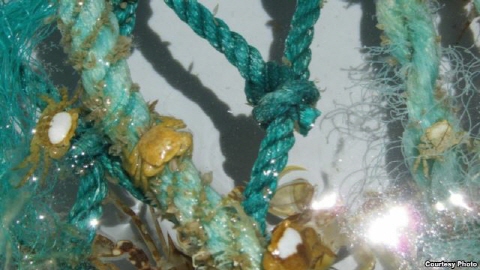
Not all plastic ends up in the ocean because someone throws a plastic bottle into the water. Plastic containers and other trash thrown onto streets and sidewalks often are swept into oceans. The debris travels from storm drains during rain storms, said the environmental group Marine Defenders. Some end up in gyres. A gyre is a big whirlpool that traps and moves the plastic in circles. Unlike other types of trash in the ocean, the plastic never bio-degrades. That means it does not break down. There is a way to slow the amount of plastics going into the oceans -- people can recycle more. That is a major recommendation of the report by the World Economic Forum and Ellen MacArthur Foundation. The report’s authors say that currently only about 14 percent of plastics are recycled. It said research in Europe shows as much as 53 percent of plastic could be recycled using available technology.
* sidewalk = 보도, 인도/ sweep = 쓸다[털다]/ debris = 쓰레기; 잔해/ environmental group = 환경 보호 단체/ gyre = 소용돌이/ whirlpool = 소용돌이; 월풀 욕조[수영장]/ trap = 가두다/ bio-degrade = 자연분해[생분해]되다/ as much as ~ = ~만큼, ~정도