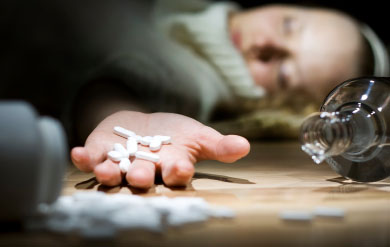
Prosecuting Doctors in Prescription Drug Overdose Deaths
Deaths from drug overdoses have exploded around the country, fueled in part by addiction to prescription painkillers. Earlier this month, a Los Angeles doctor was sentenced to 30 years to life in prison after being convicted of murder in the overdose deaths of patients for whom she overprescribed such drugs. It was apparently the first such conviction in the United States. Some say the prosecution will make the medical community hesitant to prescribe opioids to patients who need them. Is prosecuting doctors whose patients die of prescription medication overdoses an effective way to combat opioid addiction?
* procesute = 기소[고발/소추]하다/ drug overdose = 약물 과다복용/ explode = 폭발적으로 증가하다/ fuel = 부채질하다, 일조를 하다/ in part = 부분적으로는; 어느 정도는/ addiction to ~ = ~의 중독/ prescription painkiller = 처방 진통제/ be sentenced to ~ = ~의 형에 처하다[판결을 받다]/ be convicted of ~ = ~로 유죄 선고를 받다/ overprescribe = 과잉 처방하다/ hesitant = 주저하는, 망설이는/ opioid = 오피오이드 (아편 비슷한 작용을 하는 합성 진통·마취제)/ combat = 방지하다, 싸우다
 과잉 처방전으로 사망하는 환자의 의사를 기소하는 것이 오피오이드 중독을 방지하는 효과적인 방법인가요?
1. For the Bad Few, Prosecution Must Be an Option
If there is evidence that a doctor willfully overprescribed opioids, then homicide charges may be called for.
2. Crooked Doctors Are Not Fueling the Opioid Epidemic
Drug-dealing doctors are often prescribing to patients who are already addicted. It's the well-meaning medical community that must prescribe more cautiously.
3. Erroneous Prosecutions Have a Chilling Effect
The unintended consequence of prosecuting doctors whose patients overdose will likely be many under-treated individuals with chronic pain.
Sample Essay
Crooked Doctors Are Not Fueling the Opioid Epidemic
Our nation’s opioid addiction epidemic was not caused by the handful of crooked doctors who run pill mills or dole out prescriptions to anyone with cash. It was well-intentioned doctors and dentists who caused this public health crisis by overprescribing opioids for common conditions. That sharp rise in prescriptions led to parallel increases in addiction and overdose deaths.
But the medical community was not acting criminally. It was responding to a brilliant marketing campaign that minimized opioid risks and exaggerated benefits of long-term use. We in medicine were led to believe that the risk of addiction had been overblown, and that the compassionate way to treat almost any pain complaint was with an opioid.
We were badly misinformed. Many patients have become addicted and many have died from overdoses.
Some doctors are drug dealers in white coats. They should be prosecuted. Putting them out of business will save lives because their customers are at exceptionally high risk of overdose. But arresting drug-dealing doctors will not prevent new cases of opioid addiction because people who seek out these prescribers are often already addicted.
To prevent opioid addiction, the medical community must prescribe more cautiously. Medical boards, the state agencies charged with regulating doctors, should be utilizing their state’s prescription drug database to electronically evaluate prescribers. Risky prescribers could be warned, sanctioned or have their medical licenses revoked. This would be more sensible than waiting for patients to be harmed, when a law enforcement agency might intervene.
Some argue that clinicians will become afraid to prescribe opioids, and that chronic pain patients will suffer. But opioids are rarely the answer to the chronic pain: They are more likely to harm patients than help.
Compassionate care for patients with chronic pain is not jeopardized by more cautious prescribing — it demands it.