[전문 + mp3] / [받아쓰기]
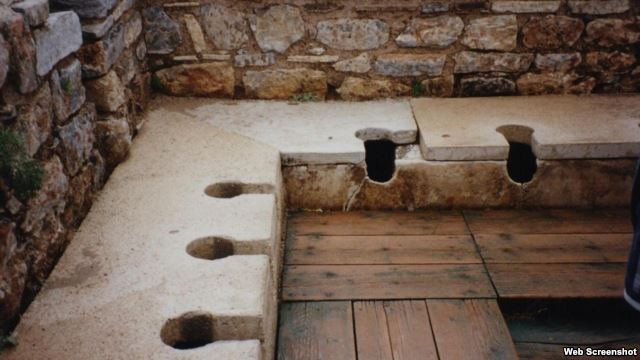
Around 2000 years ago, the Romans moved into Europe. They built public latrines, or toilets, with many seats and washing areas. And they built sewerage systems, brought in drinking water from aqueducts, and heated public baths for washing. They even had laws to keep the towns free of human waste and trash. But new archeological research shows that baths and public toilets with washing areas did not get rid of intestinal parasites. In fact, parasites like whipworm, roundworm, and Entamoeba histolytica dysentery slowly increased, compared to the Iron Age before the Romans ruled Europe.
* move into ~ = ~로 이동하다/ latrine = (야영지 등에서 특히 땅에 구덩이를 파서 만든) 변소/ sewerage = 하수도; 하수 처리 시설/ aqueduct = 송수로[교]/ (be) free of ~ = ~이 없는; ~에서 자유롭다/ human waste = 분뇨/ archeological = 고고학의, 고고학적인/ intestinal parasite = 장내 기생충/ whipworm = 편충/ roundworm = 회충/ Entamoeba histolytica dysentery = 이질아메바/ the Iron Age = 철기 시대
Dr. Piers Mitchell conducted the research. He is from the Archaeology and Anthropology Department of Cambridge University in England. His research suggests that “Roman toilets, sewers and sanitation laws had no clear benefit to public health,” he said. “Roman baths surprisingly gave no clear health benefit, either." Intestinal parasites and ectoparasites -- such as lice – were widespread, he said. The study used samples from ancient Roman times to assess “the health consequences of conquering an empire.” Mitchell gathered evidence of parasites in ancient latrines, human burials and “coprolites” — or fossilized feces. He also examined combs and cloth from different Roman Period excavations, or historical sites, across the Roman Empire.
* conduct = (특정한 활동을) 하다/ archaeology = 고고학/ anthropology = 인류학/ sewer = 하수관/ sanitation = 위생 시설[관리]/ ectoparasite = 체외 기생충(진드기 등)/ louse(pl = lice) = 이/ assess = 재다[가늠하다], 평가[사정]하다/ consequence = (발생한 일의) 결과; 중요함/ burial = 매장/ coprolite = 분석(糞石) (동물 똥의 화석)/ fossilized = 화석화된/ feces(pl) = 대변, 배설물; 찌끼/ comb = 빗/ excavation = 발굴, 발굴지/ historical site = 사적지