[전문 & mp3] / [받아쓰기]
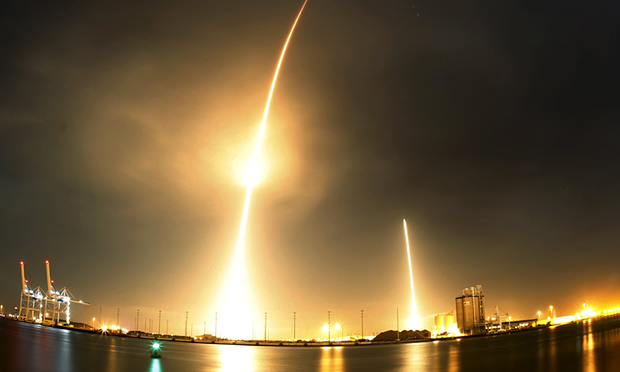
The video of the massive SpaceX rocket landing safely back on Earth was like the take-off, but in reverse. The rocket is called Falcon 9. And the safe landing is a big deal. It means that space travel could become a lot easier in the future. Normally rockets deliver their payload – a satellite, for example, or supplies – and then burn up on their way back to Earth. What the SpaceX mission proved Monday night is that a rocket may be able to safely return to Earth and be used again. The successful landing is even more notable considering a similar rocket failed when it launched six months ago.
* massive = 거대한, 엄청나게 큰/ landing = 착륙/ take-off = (항공기의) 이륙; 도약/ in reverse = (순서, 진로 등을) 반대로[거꾸로]/ space travel = 우주 여행/ payload = 배나 배행기의 실제로 탑승한 승객, 화물, 우편물 등의 유상 탑재량[물]/ burn up = 전소되다/ notable = 주목할 만한, 눈에 띄는; 중요한/ considering = ~을 고려[감안]하면
The way it works is that the entire rocket unit leaves Earth’s atmosphere, and then the 15-story-tall rocket booster separates, flips and comes back to a landing zone six miles away. If the rocket booster can be used again it means the cost of entering space can be significantly reduced. For example, similar boosters cost $60 million to build, but are only used once. If SpaceX is a success, it will cost $60 million once, and then future missions will only include the cost of repairs and fuel. The owner of SpaceX is businessman Elon Musk. He also owns the Tesla electric car company.
* atmosphere = (지구의) 대기/ rocket booster = 보조 로켓/ flip = 홱 뒤집(히)다/ significantly = 상당히[크게]; 중요하게