[전문 + mp3] / [받아쓰기]
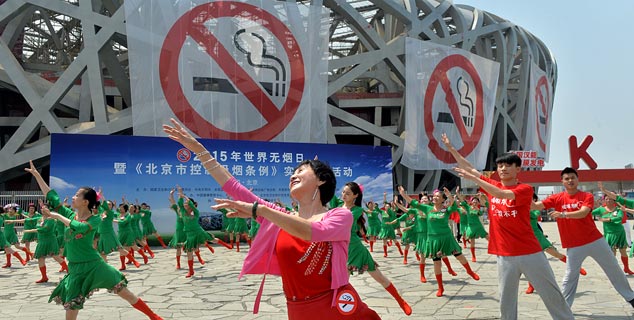
A tough new smoking ban has been introduced in China's capital city Beijing. It coincides with World No Tobacco Day and was welcomed by the World Health Organization (WHO). The ban came into effect on June the 1st and is the toughest anti-smoking law to be implemented anywhere in China. It prohibits smoking in all indoor public places, on public transport and in workplaces. Unlike other bans in China, this one is backed up by hefty fines for anyone lighting up indoors in public. Restaurants will have a big part to play in implementing the ban. Restaurant owners will face a heavy fine if they do not stop people smoking. The public is also being encouraged to report anyone breaking the law.
* ban = 금지(법/명령)/ coincide with ~ = ~와 일치하다, 동시에 일어나다/ come into effect = 시행(발효)되다/ implement = 시행하다/ public transport = 대중교통/ back up = ~을 도와주다, 뒷받침하다/ hefty = 크고 무거운, 장대한/ light up = (담배를) 피워 물다
The WHO rewarded Beijing with a special prize. A WHO spokesperson said: "We applauded Beijing for its strong and determined leadership in protecting the health of its people by making public places smoke-free. We are delighted to be formally recognizing the Beijing Municipal Government with a WHO World No Tobacco Day Award." China still has a long way to go to get its population to stop smoking. The country is the world's largest tobacco producer and consumer. There are around 300 million smokers in China, which is almost the same size as the population of the USA. More than one million Chinese die each year from smoking-related diseases.
* reward sb with sth = ~에게 ~로 보상(보답)하다/ applaud = 갈채를 보내다, 박수를 치다/ smoke-free = 담배 연기가 없는, 금연의/ municipal government = 시행정부